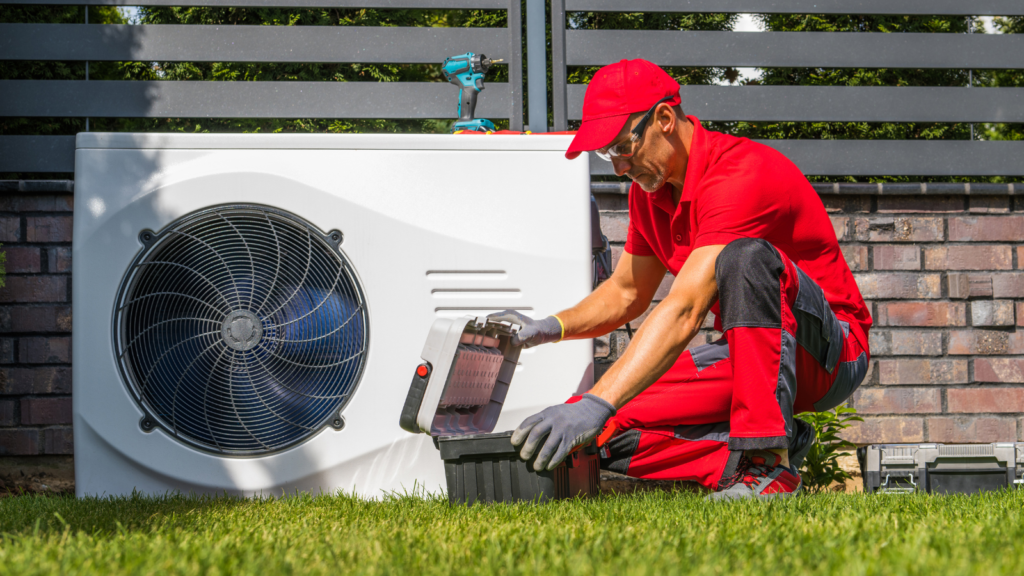
A heat pump is a good fit for many Bentonville homes, especially if you want one system for heating and cooling, you are replacing electric resistance heat or an aging AC and furnace, and you are comfortable with electricity as your main heat source. It is a weaker fit if you have a newer gas furnace and low gas costs, though a dual fuel setup can combine both. Heat pump installation also has to be done right, because sizing, ductwork, and electrical capacity decide how well the system performs.
If you are comparing heat pump installation quotes from an HVAC Bentonville contractor, this guide covers what to weigh before you decide.
How a Heat Pump Works
A heat pump moves heat instead of making it. In summer it works like a central air conditioner, pulling heat out of your house. In winter it reverses and pulls heat from the outdoor air into your home. Because it transfers heat rather than burning fuel, it can deliver more heat than the electricity it uses.
The U.S. Department of Energy says that if electricity is your only option for heat, heat pumps are preferable in most climates, since they can easily cut electricity use by 50 percent compared with electric resistance heating like baseboards or an electric furnace.
Will It Handle Northwest Arkansas Winters?
This is the question most homeowners ask, and the answer is usually yes. Northwest Arkansas has long, humid summers and winters that are mild much of the time but include hard freezes. A heat pump handles both seasons, and modern units work well in cold weather.
Efficiency does drop as outdoor temperatures fall, which is why most systems include backup heat. Electric strip heat is the common choice, and it kicks in during the coldest stretches. Backup heat costs more to run than the heat pump, so a system that leans on it too often is a sign of a problem or a sizing mismatch. Some homeowners pair a heat pump with a gas furnace so the furnace takes over in deep cold. That setup is called dual fuel, and it is worth asking about if you already have gas service.
Heat Pump, Furnace, or Both?
The right answer depends on what you have now and what your utilities charge. If you heat with electric resistance, a heat pump is often a clear improvement. If you have a gas furnace in good shape, the decision is closer and comes down to local gas and electric rates. If your furnace and AC are both near the end of their lives, one heat pump can replace both.
Is Your Home Ready?
Four things matter before installation.
Ductwork comes first. A heat pump delivers gentler air than a furnace, so leaky or undersized ducts show up quickly as weak airflow and cold rooms. A good installer inspects them before quoting. Insulation and air sealing matter too, since a tighter home needs a smaller system.
Electrical capacity is next. Heat pumps and their backup heat need proper circuits and a panel that can handle the load.
Then there is the outdoor unit. It needs open space around it for airflow, clear of shrubs, fences, and snow or ice runoff.
Finally, consider whether ducted or ductless suits your home. Ducted systems use your existing or new ducts. Ductless mini-splits work well for additions and homes without ductwork.
Get the Size Right
Bigger is not better. An oversized heat pump short cycles, which wears parts faster and leaves the house less comfortable and more humid. An undersized one runs constantly and leans on backup heat. Trane’s homeowner guide says the only way to know the right size is a load calculation, also called a Manual J, and that any company quoting a replacement should perform one.
Understand the Efficiency Ratings
Heat pumps carry two ratings. SEER2 measures cooling efficiency, and HSPF2 measures heating efficiency. Higher numbers mean less electricity for the same comfort, and a higher upfront cost. Ask your installer to show you two or three options with the price and expected savings of each. Some utilities offer rebates on qualifying equipment, but programs change, so check current offers before you buy.
What Heat Pump Installation Involves
A proper installation starts with a system audit and consultation. The old equipment is removed, the outdoor unit and indoor air handler are set, and refrigerant lines, electrical connections, drainage, and the thermostat are connected. It should finish with a full quality check that verifies airflow, safety, and thermostat response. Ask for that check. It is easy to skip and important to confirm. You can see more about heat pump repair, maintenance, and installation services in Northwest Arkansas.
Hire a licensed and insured contractor who pulls the required permits. Read the warranty carefully, since manufacturers often require documented yearly maintenance.
Questions to Ask Before You Sign
Ask whether the contractor will perform a load calculation and inspect your ducts. Ask what backup heat is included and how it is controlled. Ask who pulls the permit, what the warranty covers, and whether the price includes the thermostat, drain work, and removal of old equipment. If cost is the hurdle, look into HVAC financing subject to credit approval.
Planning Ahead Helps
Replacing a system in mild weather gives you time to compare options. Replacing one during a July heat wave or a January freeze leaves you with fewer choices.
Ready to Talk It Through?
If you would like an HVAC Bentonville team to look at your home and tell you plainly whether a heat pump makes sense, call 479-936-4932 or email pdhvacllc@gmail.com. We are available Monday through Friday, 8:00 to 5:00. P&D HVAC is an Elite Heil dealer serving Bentonville, Bella Vista, and Rogers.
A heat pump is a good choice for the right home. The goal is to find out whether yours is one.